About us
IFT
The Institute for Theoretical Physics (IFT) UAM-CSIC is dedicated entirely to research in Theoretical Physics. The IFT members develop research in the frontiers of Elementary Particle Physics, Astroparticles and Cosmology, in order to understand the fundamental keys of Nature and the Universe.

Research lines
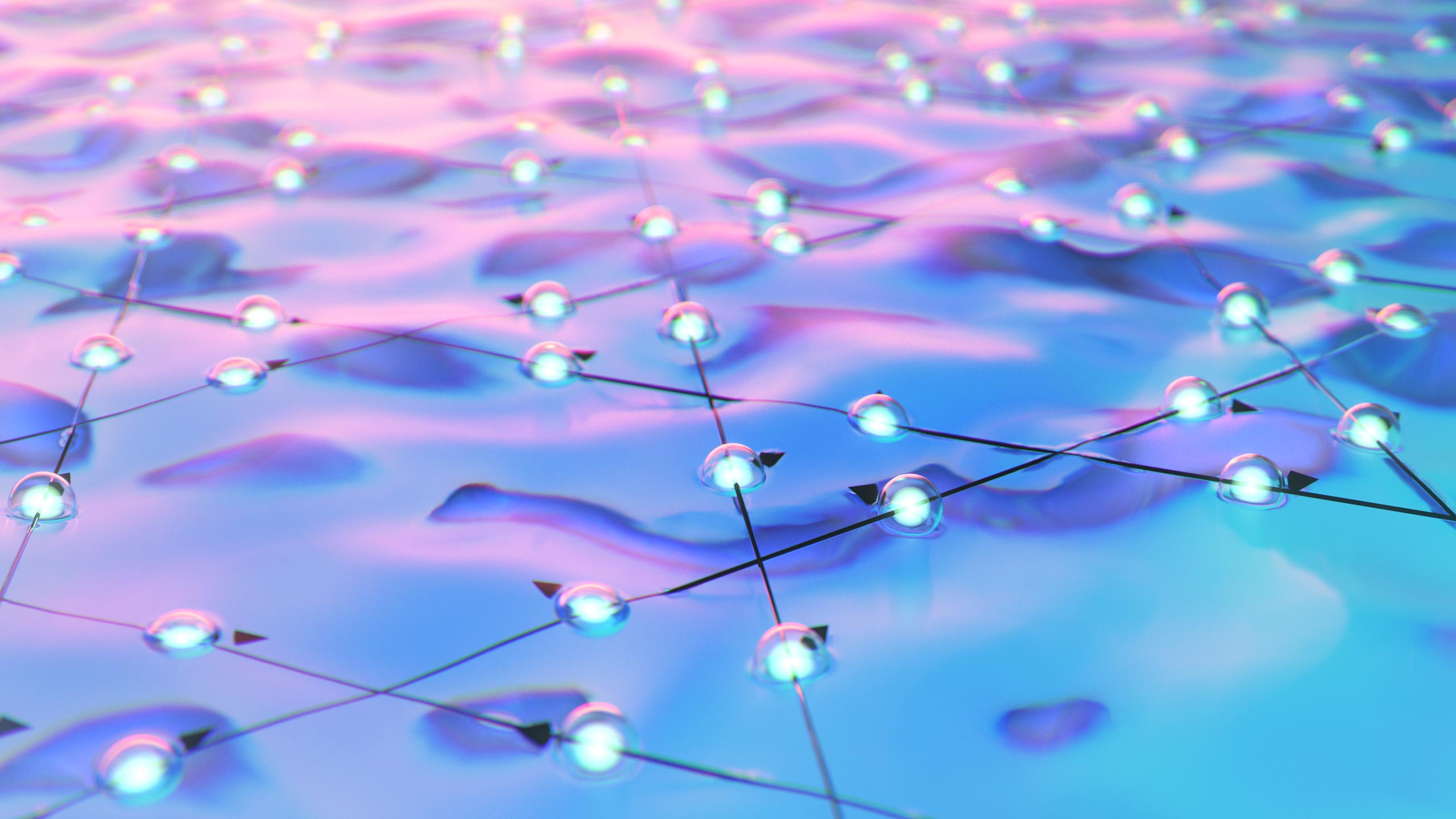
Quantum Simulation
The research group has focused on extending the
application of quantum simulation techniques to quantum field theories and high-energy physics,
opening new avenues for the investigation of fundamental physical processes.
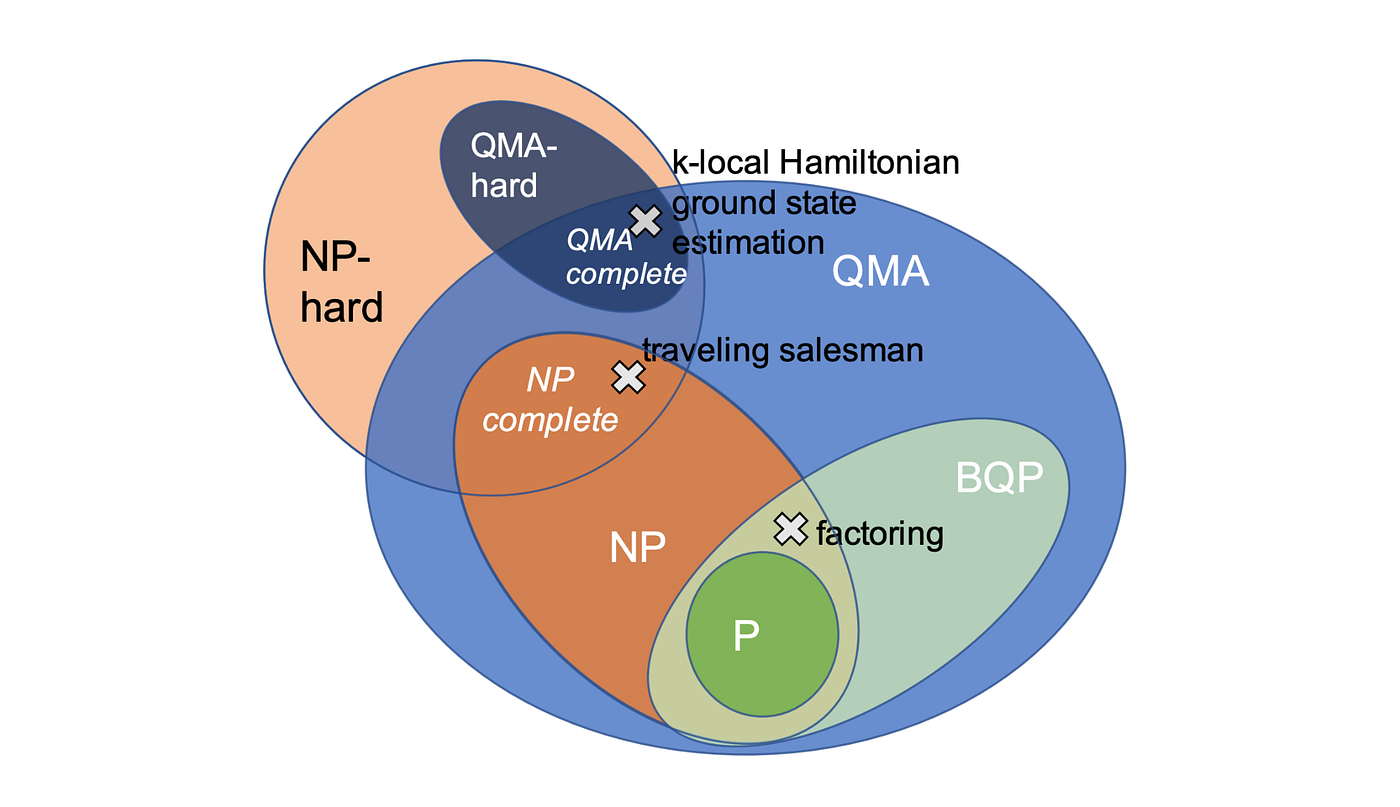
Quantum Complexity and Algorithms
The research group investigates these issues through the tools of quantum complexity theory,
quantum algorithms, and many-body physics, aiming to deepen our understanding of the
computational power and limitations of quantum systems
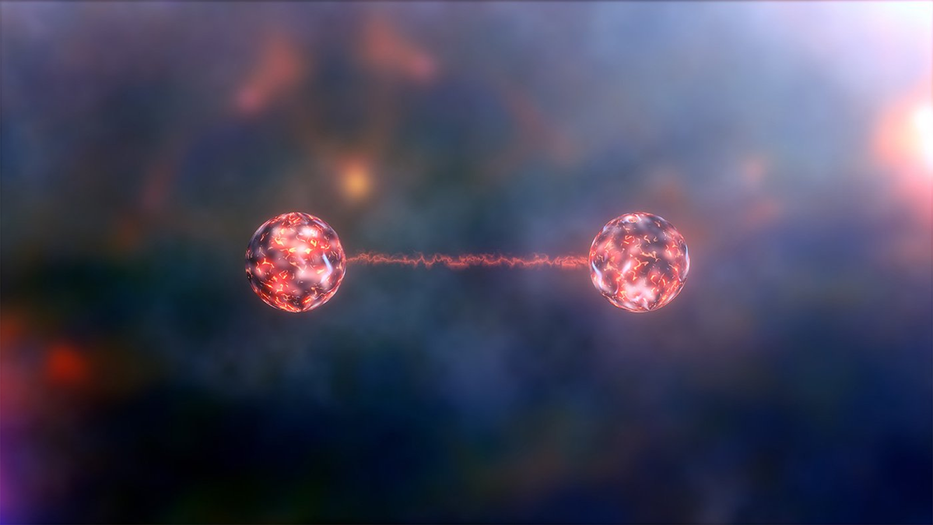
Quantum Entanglement in Many-Body
Systems
Quantum entanglement was identified by Schrödinger in 1935 as the defining feature of quantum mechanics, responsible for its profound departure from classical physics. Today, entanglement is regarded as the fundamental resource underlying quantum computation and quantum communication, motivating intense theoretical and experimental research. Among the most significant developments in this field are the characterization and quantification of entanglement in many-body systems through von Neumann and Rényi entropies, its role in quantum error correction, and its use in the classification of topological phases of matter.
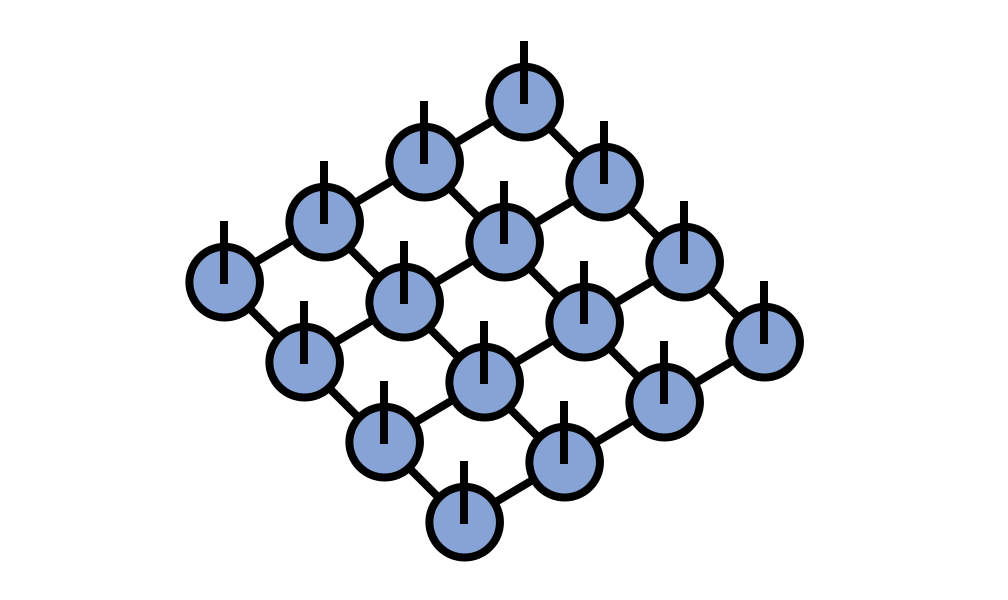
Tensor Networks
The research group has developed a sustained research activity in this field, including extensions of tensor-network methods to quantum field theories, as well as applications to integrable systems and related areas of mathematical physics.
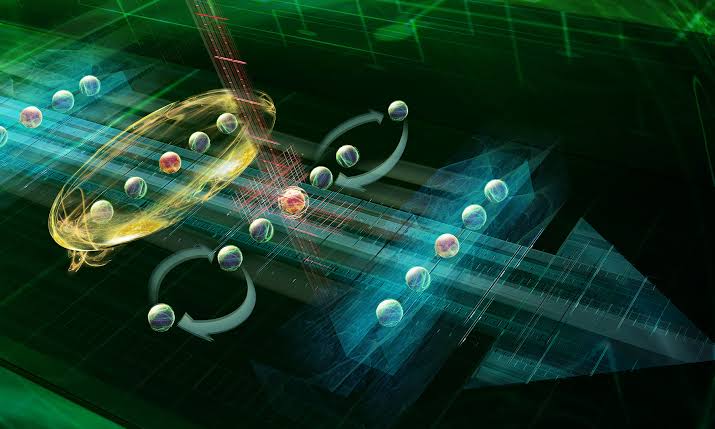
Noise Characterization and Quantum Error Correction
One of the research group’s main lines of activity focuses on the development of quantum error mitigation techniques, quantum error correction protocols, and hybrid approaches that combine both strategies. This work is carried out within realistic models of the dominant noise sources affecting current quantum computing platforms, particularly trapped-ion processors and superconducting quantum circuits.
Members
Faculty, postdocs and students working across quantum information theory, and quantum matter
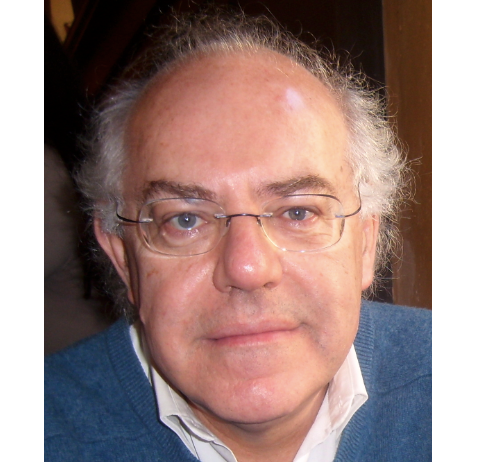
Germán Sierra
Esperanza López
Alejandro Bermúdez
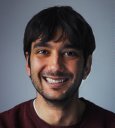
Álvaro M. Alhambra
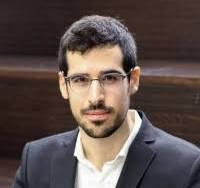
Daniel González Cuadra
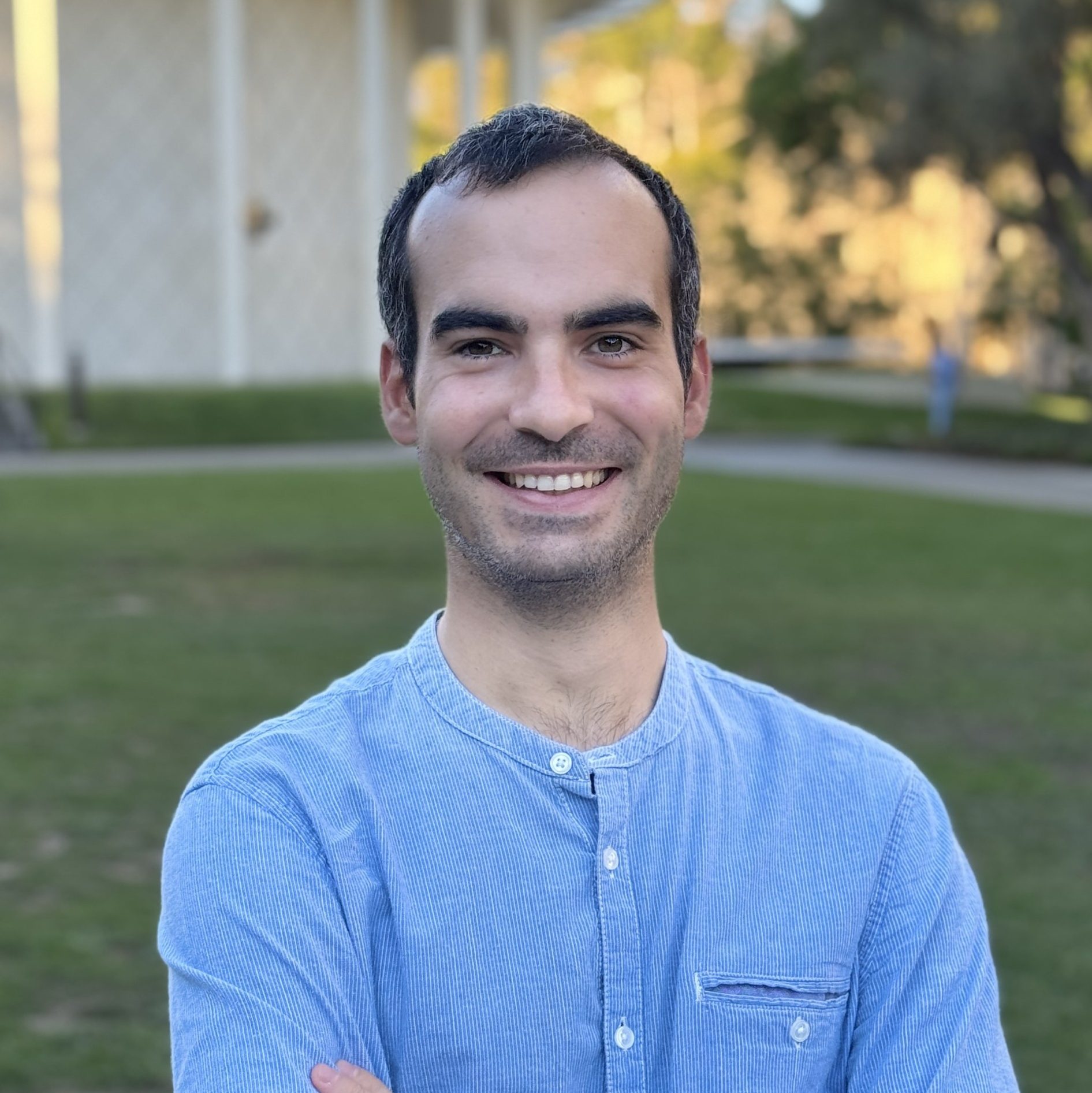
Pablo Sala de Torres-Solanot
Carlos Sabín
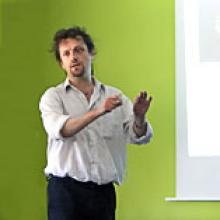
Javier Rodríguez Laguna
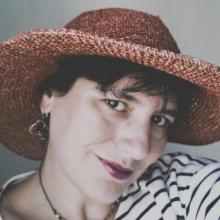
Silvia Santalla
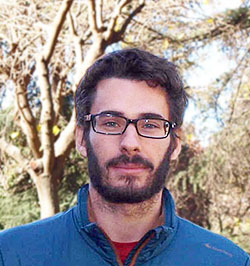
José Garre Rubio
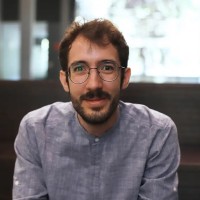
Matteo Scandi
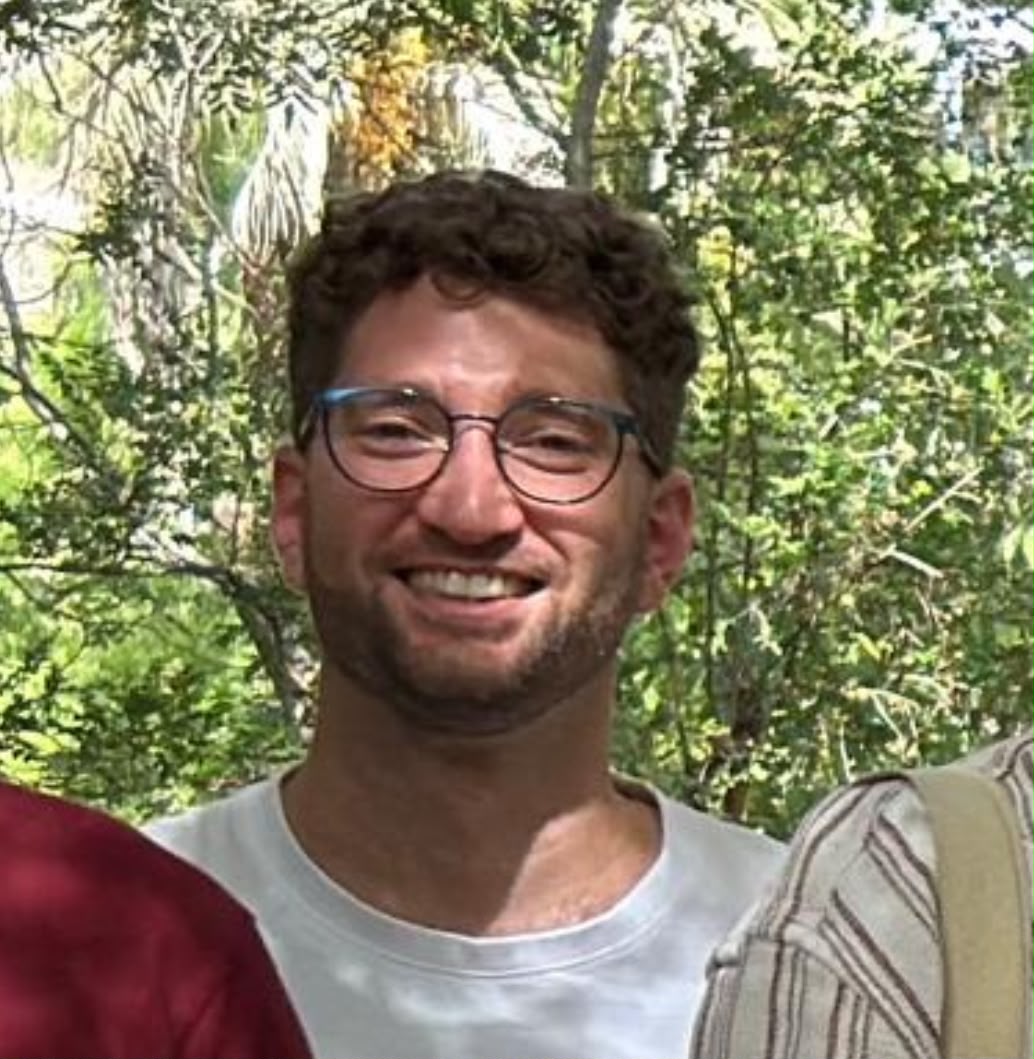
Alan Kahan
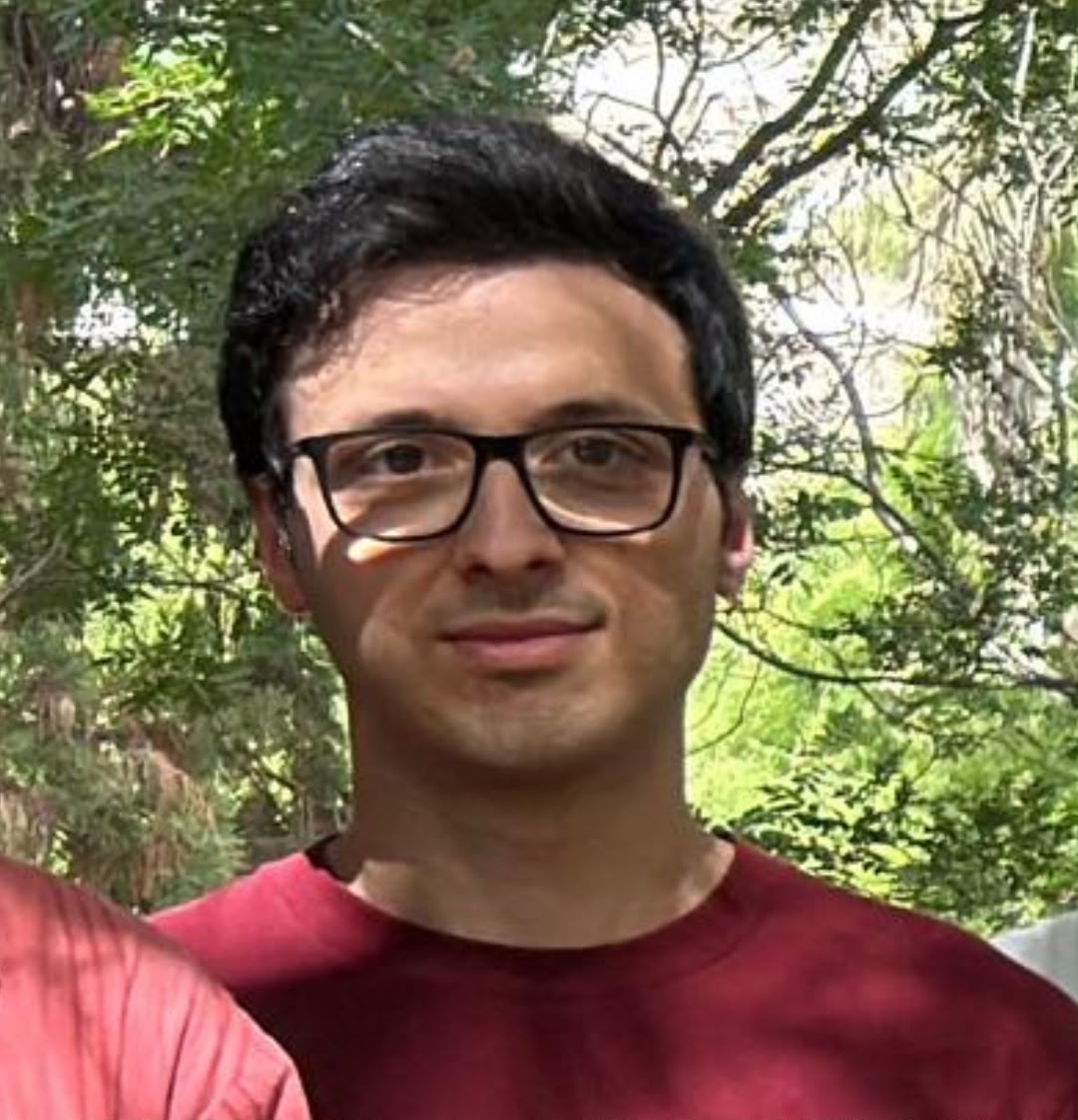
Enrico Calogero Domanti
Pablo Viñas
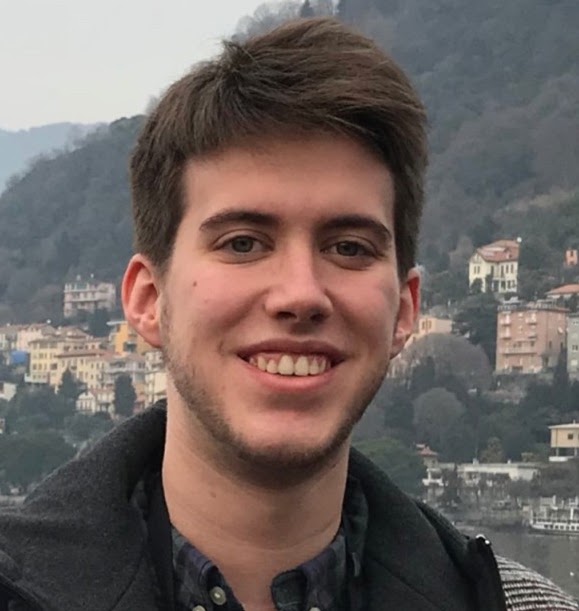
Carlos Fulgado
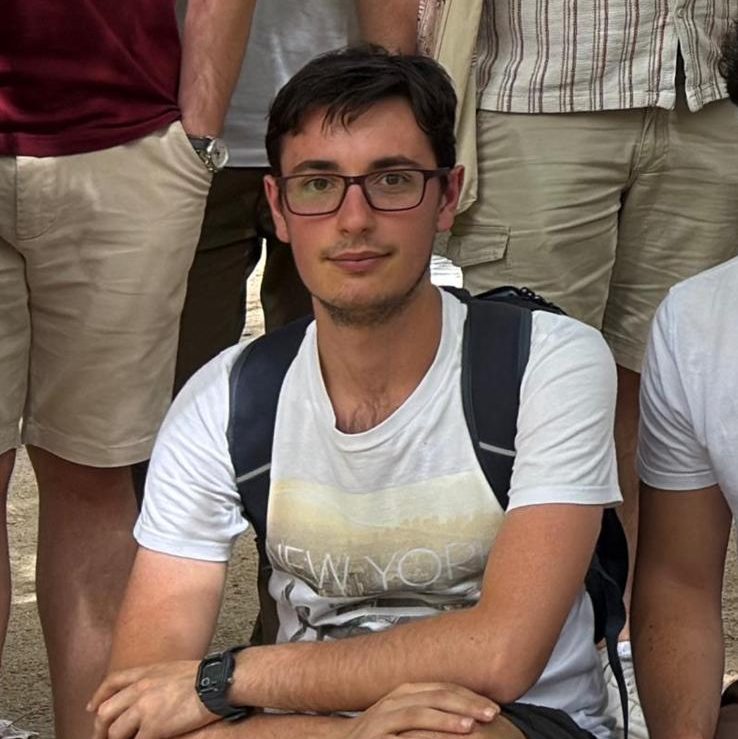
César Benito
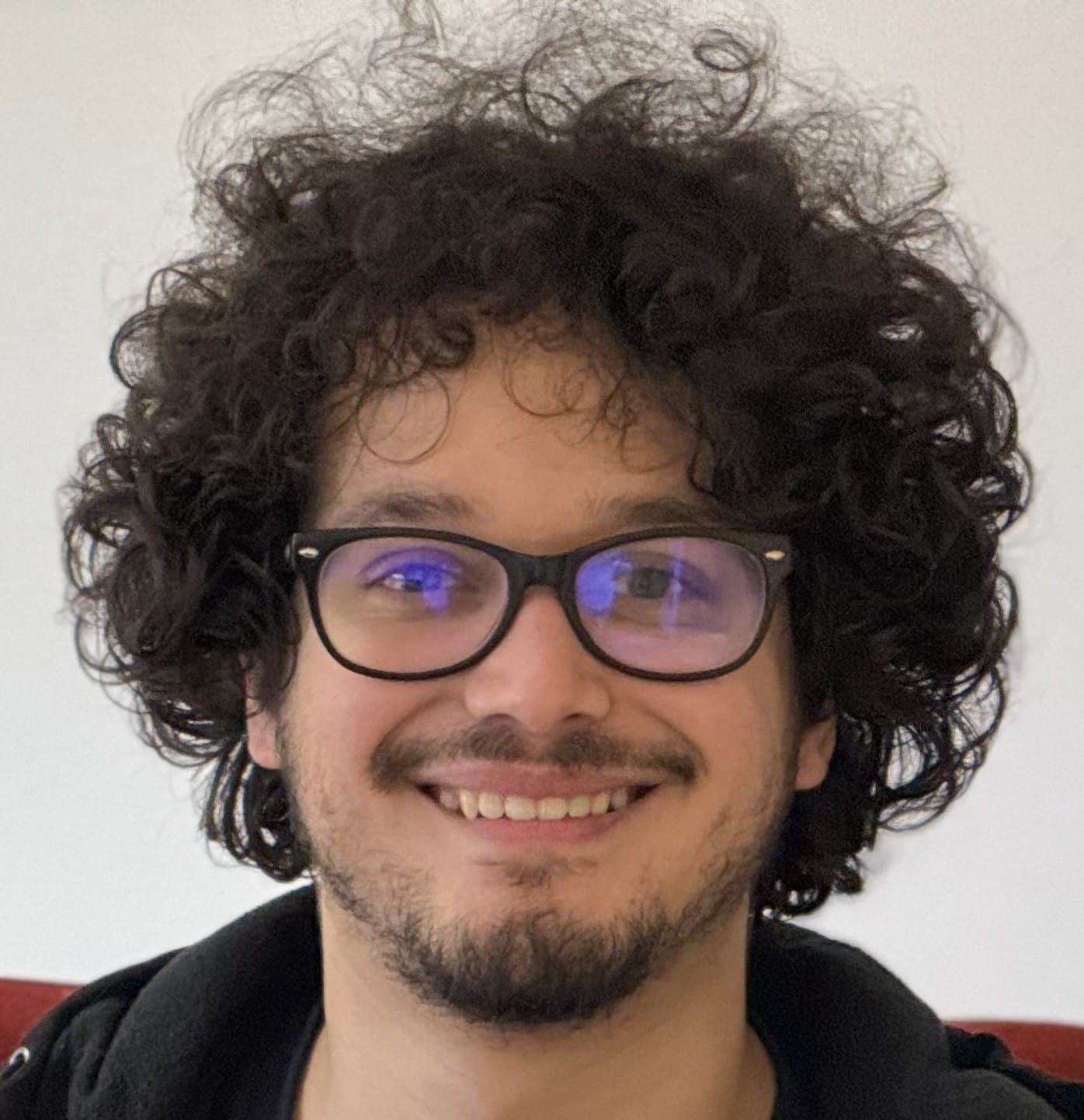
Sergio Cerezo
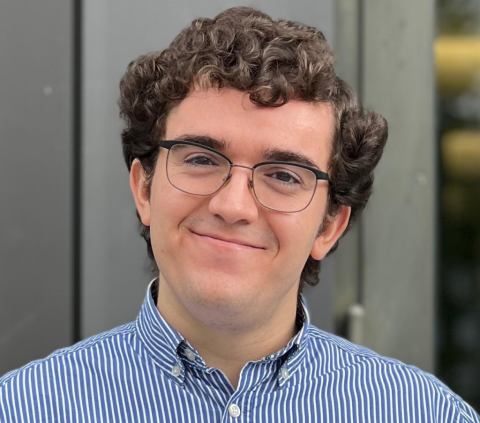
Alfred Benedito
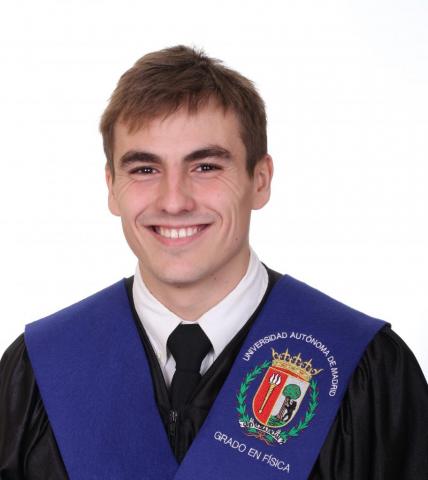
Jorge Sánchez Segovia
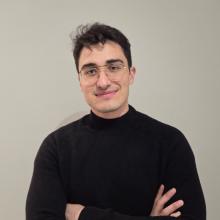
Jorge Lorenzo
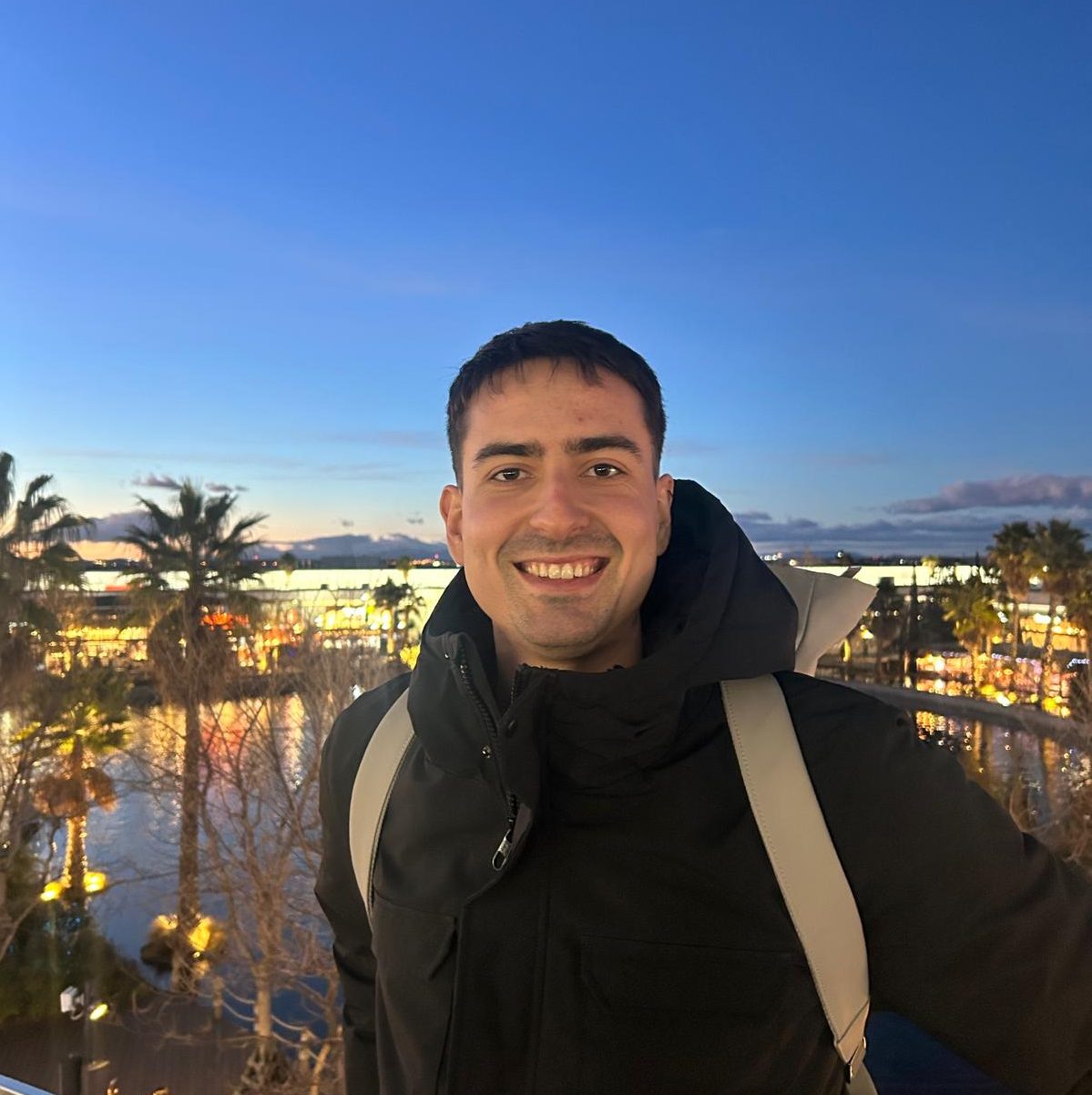
Paul Rosa Ruiz
Víctor Palma
Contact us
Campus de Cantoblanco UAM.
C/Nicolás Cabrera 13-15
28049 Madrid España